

If you’ve ever searched for tempeh vs tofu, here’s the clear answer right at the start: both are made from soybeans and are excellent plant-based protein options, but they differ in texture, taste, and how they behave in your cooking. Tofu is soft, mild, and absorbs flavour easily, while tempeh is firm, slightly nutty, and already packed with a deeper taste.
When comparing tofu tempeh, think of them less as competitors and more as two different tools in your kitchen. The choice depends on what kind of dish you’re trying to build: light and saucy, or rich and hearty.
What Is Tofu?
Tofu is made by curdling soy milk and pressing it into blocks. It comes in different forms: silken, soft, firm, and extra firm, each suited for different recipes.
What makes tofu special is its ability to take on flavour. On its own, it’s quite neutral. But that’s exactly why it works beautifully in homemade sauces, curries, stir-fries, and bowls.
You can:
- Pan-fry it for crisp edges
- Toss it into the gravy
- Grill or bake it after marinating
Tofu is often the go-to choice when you want something that adapts to your cooking rather than dominating it.
What Is Tempeh?
Tempeh is made from whole soybeans that are fermented and pressed into a compact block. This fermentation process gives it a firm texture and a naturally rich, slightly nutty flavour.
Unlike tofu, tempeh doesn’t need to “absorb” flavour to taste good; it already has character.
It works well when you:
- Slice and pan-fry it
- Crumble it into bowls
- Grill it for a smoky finish
Because it’s denser, tempeh feels more filling and is often preferred in meals where you want a stronger bite.
Tempeh vs Tofu: Breaking It Down
Texture & Taste
This is the biggest difference in the tofu tempeh comparison.
- Tofu: smooth, soft to firm, neutral
- Tempeh: dense, chewy, nutty
If your dish relies on sauces and seasoning, tofu is a better base. If you want something that stands out on its own, tempeh does that naturally.
Nutrition
Both are healthy, but slightly different in benefits:
- Tempeh: higher in protein and fiber, thanks to whole soybeans
- Tofu: lower in calories and a good source of calcium
Tempeh also contains probiotics from fermentation, which can support digestion.
Cooking Flexibility
Tofu is more versatile in flavour-building, while tempeh brings structure and depth. The smartest approach is not choosing one over the other, but knowing when to use each.
How to Make Tofu Taste Better
Tofu needs help to shine. Without seasoning, it can feel forgettable.
Try this:
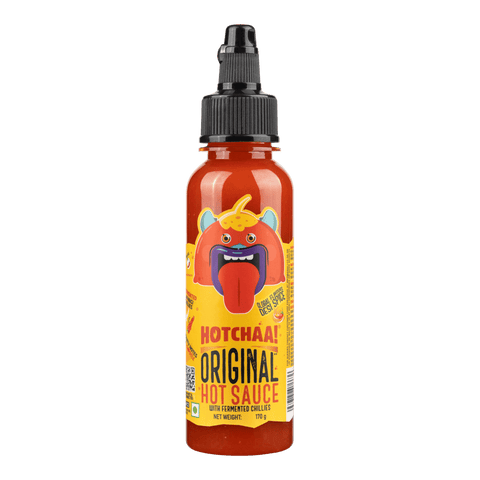
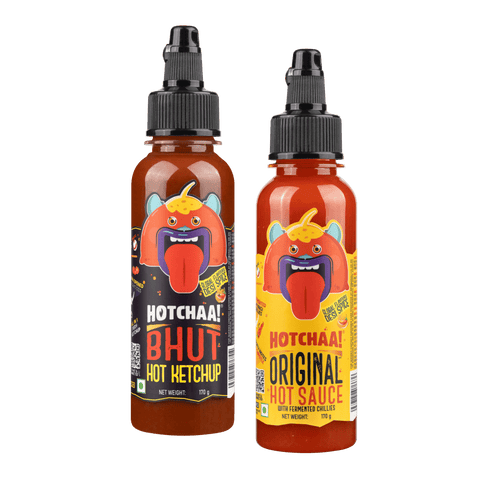
- Add Hotchaa! OG Hot Sauce to your marinade for heat and tang
- Stir a spoon of Hotchaa! into your homemade sauce
- Upgrade your base sauce with Hotchaa! for more depth
- Finish with Hotchaa! for extra flavour just before serving

Because tofu absorbs everything, even a small addition adds heat, umami and complexity in a way that feels balanced, not overpowering.
How to Upgrade Tempeh
Tempeh already has flavour, but it can feel heavy if not handled well.
To elevate it:
- Use Hotchaa! Truffle Hot Sauce to bring in richness and umami
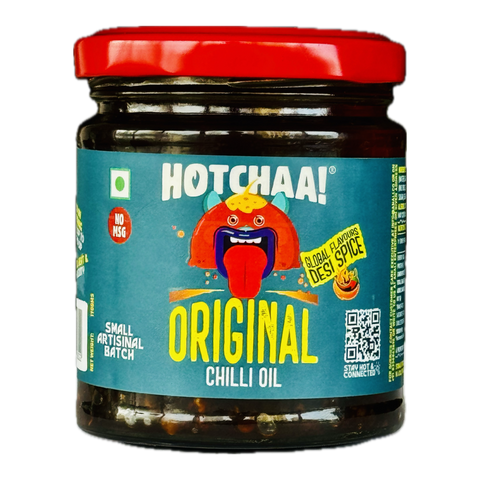
- Toss pan-fried tempeh with Hotchaa! OG Chilli Oil for texture and aroma
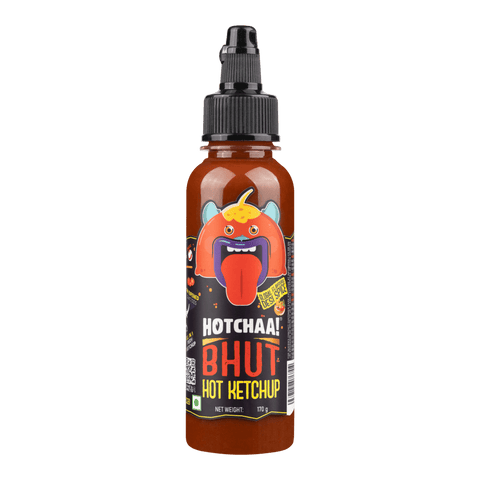
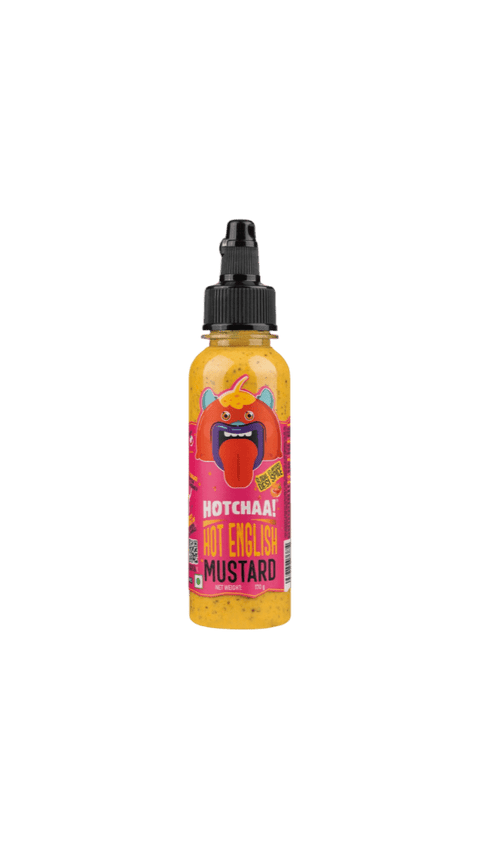
- Add Hotchaa! Hot English Mustard for a sharp, punchy finish

This helps cut through the density and makes each bite more layered and interesting.
Choosing Between Tempeh vs Tofu
There’s no strict rule in the tempeh vs tofu debate.
Choose tofu when you want:
- A lighter dish
- Something that carries sauce well
- Flexibility across cuisines
Choose tempeh when you want:
- A filling, protein-rich option
- A firmer bite
- A naturally bold flavour
In real kitchens, most people use both. One for quick stir-fries or saucy meals, the other for bowls, grills, or more structured dishes.
The Real Takeaway
Tofu and tempeh are both incredibly useful ingredients. But on their own, they’re only as good as the flavour you build around them.
That’s the shift most home cooks miss.
You don’t need complicated recipes. You just need the right additions, something that brings heat, tang, richness, or sharpness at the right moment.
That’s how simple food starts tasting exciting again.
Bring Real Flavour to Your Plant-Based Cooking
Tofu or tempeh, both can taste incredible, but only if you build flavour properly.
That’s exactly what Hotchaa! is made for.
Use Hotchaa! as a flavour booster in your everyday cooking:
- Add Hotchaa! to your marinades
- Stir a spoon into sauces
- Finish your dish for that final kick
From heat and tang to umami and texture, Hotchaa! products are designed to upgrade what you’re already cooking, not replace it.
Explore the full range and start building better flavour at home.
Frequently Asked Questions
Q1. Which is healthier: tempeh or tofu?
Tempeh has more protein and fiber, while tofu is lower in calories and higher in calcium. Both are healthy depending on your needs.
Q2. What is the main difference between tempeh and tofu?
The main difference is texture and taste. Tofu is soft and neutral, while tempeh is firm and has a nutty flavour.
Q3. Can beginners cook tempeh easily?
Yes, but it benefits from proper seasoning. Tofu is slightly easier because it absorbs flavours more quickly.
Q4. Is tempeh better than tofu for weight loss?
Tofu may be better for weight loss due to lower calories, while tempeh is more filling because of higher fiber.
Q5. How do you make tofu and tempeh taste better?
Add strong flavour elements. Use Hotchaa! as a flavour booster by mixing it into sauces, marinades, or finishing dishes.